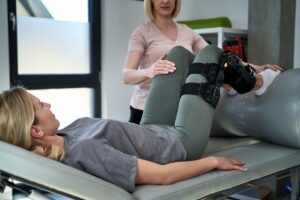
 Pedestrian accidents often cause more severe injuries than vehicle collisions because the human body has little protection against impact.
Beyond the immediate pain and trauma, these injuries can lead to long-term mobility issues, muscle weakness, and chronic pain if not properly treated.
Let’s explore the most common pedestrian injuries, explain how physical therapy helps restore movement and function, outline key treatment techniques, and show how early rehabilitation can speed recovery and prevent lasting complications.
Understanding Pedestrian Injuries
Pedestrian injuries typically result from vehicle impact. Because the body absorbs the full force of the collision, the damage often extends beyond visible wounds.
Common injuries include bone fractures, ligament sprains, muscle tears, spinal trauma, and nerve compression. Often, what appears to be minor bruising can mask deeper musculoskeletal damage that, if untreated, can lead to long-term health issues, including loss of flexibility and balance problems.
Every patient’s recovery needs are unique, and a structured rehabilitation program is crucial to restore strength, mobility, and confidence after a pedestrian accident.
How Physical Therapy Supports Recovery
Restoring Mobility and Range of Motion
After a crash, stiffness and scar tissue can limit movement. Stretching and guided exercises can help restore flexibility and reduce joint restriction.
Reducing Pain and Inflammation
Targeted manual therapy, cold or heat application, and gentle movement can reduce swelling, improve circulation, and relieve discomfort naturally.
Rebuilding Strength and Balance
Injured muscles weaken quickly after trauma. Strength training and balance exercises can rebuild stability, preventing falls or compensatory strain on other body parts.
Preventing Long-Term Complications
Without rehabilitation, patients risk developing chronic pain or nerve sensitivity, or losing function. Early physical therapy minimizes these potential complications and promotes lasting recovery.
Common Techniques Used in Physical Therapy
Physical therapists use a combination of evidence-based techniques to alleviate pain, promote healing, and restore movement:
- Manual therapy — hands-on mobilization to ease muscle tension and improve joint motion
- Therapeutic exercises — personalized programs to strengthen weak muscles and improve flexibility
- Neuromuscular re-education — retrains coordination, balance, and body awareness after injury
- Heat, ice, or electrical stimulation — reduces inflammation and promotes tissue healing
- Gait training and posture correction — helps patients walk safely and efficiently, reducing future injury risk
Benefits of Early Rehabilitation
Starting physical therapy soon after a pedestrian accident greatly improves outcomes:
- Faster healing by maintaining blood flow and reducing inflammation
- Improved flexibility and muscle control, reducing stiffness
- Lower risk of scar tissue formation that limits mobility
- Reduced chronic pain through early correction of movement patterns
- Restored independence and confidence in daily activities
Read Also: Integrated Approaches to Injury and Pain Recovery
Contact Advantage Healthcare Systems for Pedestrian Injury Rehabilitation
- If you’ve been injured as a pedestrian and are struggling with pain, stiffness, or limited mobility, professional care can make all the difference. Early physical therapy helps restore movement, reduce pain, and prevent chronic complications.
- At Advantage Healthcare Systems, our experienced rehabilitation team uses evidence-based, non-opioid treatments to rebuild strength and promote long-term recovery.
- Schedule your consultation today by calling 877-487-8289 or contacting us online to begin your path toward healing and restored mobility.
FAQs
What injuries can physical therapy treat after a pedestrian accident?
Physical therapy can help you recover from fractures, muscle strains, ligament sprains, spinal injuries, and soft-tissue trauma caused by pedestrian accidents. It restores mobility, strength, and balance while reducing pain and inflammation.
How soon should I start physical therapy after a pedestrian injury?
It’s best to begin physical therapy as soon as a physician clears you—ideally within days or weeks after the accident. Early rehabilitation improves healing, prevents stiffness, and reduces the risk of chronic pain.
Can physical therapy help with nerve or balance problems after an accident?
Yes. Physical therapy uses neuromuscular re-education and balance exercises to retrain coordination, restore nerve function, and improve stability after impact injuries.
How long does pedestrian injury recovery take with physical therapy?
Recovery time varies based on injury severity, but most patients notice improvement within 4–8 weeks of consistent therapy. Severe injuries may require longer, ongoing rehabilitation.